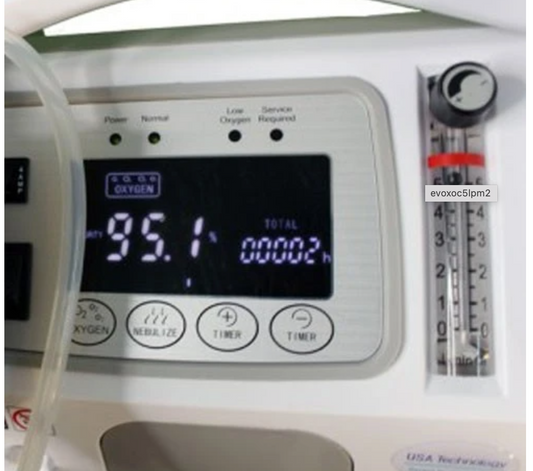
Choosing an oxygen concentrator for home use starts with the oxygen flow and delivery mode prescribed by the treating clinician. MareeZOn’s collection includes stationary 5 LPM and 10 LPM concentrators as well as a portable oxygen concentrator. Compare the prescribed flow range, continuous-flow or pulse-dose delivery, power requirements, noise, portability, alarm system and service support before ordering.
How to choose an oxygen concentrator for home use
An oxygen concentrator draws in room air and supplies concentrated oxygen without routine cylinder refilling. The correct machine is not simply the one with the highest LPM rating: it must match the patient’s prescription and intended use. Never begin oxygen therapy or change the flow setting without guidance from a qualified healthcare professional.
5 LPM, 10 LPM or portable: what is the difference?
| Type |
Best considered when |
Important checks |
| 5 LPM stationary concentrator |
The prescription falls within the machine’s supported continuous-flow range and the unit will mainly stay at home. |
Prescribed LPM, oxygen concentration across the required flow range, alarms, power consumption, noise and service access. |
| 10 LPM stationary concentrator |
A clinician has prescribed a higher flow that a 5 LPM unit cannot supply. |
Required flow and oxygen concentration, electrical load, room ventilation, machine weight, alarms and backup planning. |
| Portable oxygen concentrator |
Mobility or travel is important and the device’s delivery mode matches the prescription. |
Continuous-flow versus pulse-dose delivery, battery duration, output at the prescribed setting, weight and travel requirements. |
Browse the Philips EverFlo 5-Liter Oxygen Concentrator, Evox 10 LPM Oxygen Concentrator and Philips SimplyGo Portable Oxygen Concentrator. Product pages show the currently listed specifications and price; confirm suitability and current purchase status before ordering.
Oxygen concentrator buying checklist
-
Prescription: confirm the required litres per minute, hours of use and delivery mode.
-
Performance: check oxygen concentration at the required flow—not only the maximum LPM stated in the model name.
-
Safety alarms: review alerts for power failure, low oxygen or other conditions specified by the manufacturer.
-
Power and backup: plan for electricity interruptions with the treating team; a concentrator stops supplying oxygen when power is unavailable.
-
Home placement: follow the manufacturer’s clearance, ventilation and operating instructions; keep the unit away from flames, smoking and heat sources.
-
Service support: confirm warranty terms, filters, preventive maintenance and authorised service arrangements for the selected model.
Frequently asked questions
Is a 10 LPM oxygen concentrator better than a 5 LPM model?
Not automatically. The appropriate capacity is the one that safely meets the prescribed flow while maintaining the required oxygen concentration. A 10 LPM machine should not be selected merely because its maximum output is higher.
Can a portable oxygen concentrator replace a stationary unit?
Only when its output and delivery mode match the prescription. Many portable models use pulse-dose delivery, which is not interchangeable with continuous flow for every patient.
Does an oxygen concentrator work during a power cut?
A mains-powered concentrator stops when electricity fails unless it has a suitable battery or external backup. Families should agree on a power-failure and emergency plan with the care team.
Can the oxygen flow be adjusted at home?
Use only the setting prescribed by the treating clinician. Do not increase or reduce oxygen flow based only on symptoms or a single pulse-oximeter reading.
What should I verify before buying online?
Confirm the exact model, prescribed-flow compatibility, delivery mode, oxygen concentration specification, alarms, voltage, included accessories, warranty terms, authorised service availability and the seller’s current purchase status.
Need help comparing the listed models? Contact MareeZOn with the clinician’s prescribed flow and delivery mode. Our team can help you compare relevant product specifications; final clinical selection and settings remain with the treating professional.
Medical safety note: Oxygen supports combustion. Do not smoke or use open flames near oxygen equipment. This page provides general product-selection information and is not a substitute for medical advice, diagnosis or an oxygen prescription.